
Empowering Inner-City Youth Through Boxing for Inner-City Youth
Boxing is more than a sport. It is a tool that can transform lives, especially for young people in urban areas. In many inner-city neighborhoods, youth face challenges such as limited access to positive activities, exposure to violence, and lack of support systems. Boxing programs offer a structured environment where discipline, respect, and personal growth are emphasized. This post explores how boxing empowers inner-city youth, providing practical examples and recommendations for communities looking to implement similar initiatives.
The Role of Boxing for Inner-City Youth
Boxing teaches more than physical skills. It instills values that are essential for personal development. Young people learn discipline, goal-setting, and perseverance. These qualities help them navigate challenges both inside and outside the gym.
Boxing programs often include:
Structured training schedules that promote time management.
Mentorship from coaches who serve as positive role models.
Opportunities for competition that build confidence and sportsmanship.
Focus on fitness and health to improve overall well-being.
These elements combine to create a supportive environment where youth can thrive. For example, a 14-year-old participant might start with basic fitness drills and progress to sparring sessions, gaining confidence and self-control along the way.

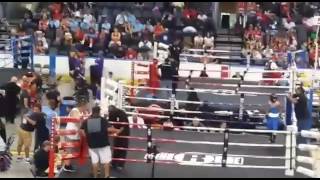
Boxing gym providing a safe and structured environment for youth training
How Boxing Builds Life Skills and Community Engagement
Boxing programs do not only focus on physical training. They also emphasize education and community involvement. Many programs require participants to maintain good academic standing. This encourages youth to balance sports with school responsibilities.
Additionally, boxing centers often host community events and workshops. These activities promote family values and strengthen community ties. Youth learn the importance of teamwork and respect for others.
Some practical ways boxing builds life skills include:
Goal Setting - Youth set personal and athletic goals, learning to track progress.
Conflict Resolution - Coaches teach how to manage anger and resolve disputes peacefully.
Leadership Development - Older participants mentor younger ones, fostering responsibility.
Health Education - Programs include lessons on nutrition and injury prevention.
These skills extend beyond the gym, helping youth make positive choices in their daily lives.
Programs and Initiatives That Work
Successful boxing programs share common features. They provide consistent access to facilities, qualified coaches, and supportive staff. Funding and community partnerships are also critical to sustainability.
One example is the inner city boxing durham initiative. This program offers youth aged 7-18 a safe place to train and learn. It combines boxing with educational support and family engagement activities. The program has shown measurable improvements in participants' academic performance and social behavior.
Key components of effective programs include:
Affordable or free access to training and equipment.
Regular monitoring of participants' progress.
Parental involvement to reinforce positive values at home.
Collaboration with schools and local organizations to provide comprehensive support.
Communities interested in starting similar programs should focus on building partnerships and securing funding early.

Boxing equipment ready for youth training sessions
Recommendations for Starting a Boxing Program in Your Community
Starting a boxing program requires careful planning and commitment. Here are practical steps to consider:
Assess Community Needs
Identify the specific challenges youth face in your area. Engage with local schools, parents, and community leaders to understand what support is needed.
Secure a Suitable Location
Find a safe, accessible space for training. This could be a community center, school gym, or dedicated boxing facility.
Recruit Qualified Coaches
Coaches should have experience in boxing and working with youth. They must be able to teach both technical skills and life lessons.
Develop a Structured Curriculum
Include physical training, education on health and nutrition, and sessions on personal development.
Establish Partnerships
Collaborate with schools, local businesses, and nonprofits to provide resources and support.
Create a Funding Plan
Seek grants, donations, and sponsorships to cover costs for equipment, facility rental, and staff salaries.
Promote the Program
Use social media, community events, and word of mouth to reach potential participants and their families.
Monitor and Evaluate
Track attendance, academic progress, and behavioral changes to measure impact and improve the program.
By following these steps, communities can create effective boxing programs that empower youth and foster positive change.
The Impact of Boxing on Youth Development and Community Safety
Boxing programs contribute to safer neighborhoods by providing youth with alternatives to negative influences. Participation in boxing reduces idle time and exposure to risky behaviors. It also builds self-esteem and a sense of belonging.
Research shows that youth involved in sports like boxing are less likely to engage in criminal activity. They develop respect for rules and authority, which translates into better behavior at school and in the community.
Moreover, boxing centers often become hubs for community engagement. They host events that bring families together and promote positive social interactions. This strengthens community bonds and creates a supportive network for youth.
In summary, boxing programs:
Reduce youth involvement in crime.
Improve academic and social outcomes.
Foster community pride and cohesion.
Provide a platform for youth leadership and advocacy.
These benefits highlight the importance of investing in boxing as a tool for youth empowerment.
Moving Forward: Sustaining Growth and Impact
To maintain the positive effects of boxing programs, ongoing support is essential. This includes continuous funding, community involvement, and program evaluation.
Communities should:
Encourage alumni to stay involved as mentors or volunteers.
Expand partnerships to include mental health and career development services.
Adapt programs based on feedback and changing needs.
Advocate for policies that support youth sports and recreation.
By focusing on sustainability, boxing programs can continue to empower inner-city youth and contribute to stronger, healthier communities.
Boxing offers a practical and effective way to empower youth in urban areas. Through discipline, education, and community engagement, it helps young people build skills that last a lifetime. Programs like inner city boxing durham demonstrate the potential of boxing to transform lives and neighborhoods. With careful planning and commitment, more communities can harness this powerful tool for positive change.




Comments